

Understanding customs transit procedures and how they optimize your international logistics operations.
When cargo arrives at a port or airport, it doesn’t always clear customs at that same location. Many shipments must be transported to another customs facility, warehouse, or border before completing importation. This is where the customs transit regime becomes essential.
Customs transit is a specialized customs procedure that allows merchandise to be transported between two authorized points under official supervision, keeping goods under customs control throughout the journey. For importers and logistics operators, transit is far more than simple paperwork—it directly impacts delivery timelines, operational costs, inventory availability, and regulatory compliance.
What Is the Customs Transit Regime?
Customs transit is the official procedure that authorizes the transport of goods between two enabled customs offices or points under customs supervision. During transit, the merchandise maintains its customs status—it has not yet been released into the domestic market of the territory through which it passes.
In practical terms, customs transit can apply to:
- Cargo unloaded at a port and transported to an inland customs facility
- Shipments crossing a country to reach a third-party market
- Goods transferred to a warehouse under customs control
- Cargo consolidated or transferred between transportation modes
The key advantage of customs transit is flexibility. It allows you to organize your supply chain based on the actual location of your factory, distribution center, or customer—not just your port of entry. However, this flexibility demands proper documentation, traceability, physical control, and coordination at every stage.
What Customs Transit Is Not
It’s critical to understand that customs transit does not replace formal importation, nor does it eliminate the obligations associated with your merchandise. Confusion between transit and other customs regimes can be costly.
Customs transit is not the same as:
- Definitive importation – Transit doesn’t finalize customs clearance or trigger the payment of all duties and taxes.
- Customs warehousing – In a warehouse regime, goods remain stored under customs control, but they are not in transit.
- Temporary importation – This regime allows goods to enter for a specific purpose and timeframe, then exit the country.
Each regime determines different responsibilities, guarantees, timelines, and documentation requirements. Selecting the wrong customs regime can generate unnecessary costs and prevent cargo from continuing its route according to schedule.
How Does the Customs Transit Process Work?
Successful customs transit requires precision at every stage. Here’s how the process works:
Step 1: Transit Declaration Filing
The process begins with submission of a transit declaration to the customs authority at the point of departure. This declaration must include the merchandise identification, transportation mode, origin, destination, responsible operator, and the authorized timeframe for completing the movement.
Step 2: Movement Under Customs Control
Once departure is authorized, merchandise travels along the approved route under the specified conditions. The cargo cannot be manipulated, substituted, partially unloaded, or diverted without official authorization.
Step 3: Arrival and Closure at Destination
The operation concludes when the merchandise arrives at the destination customs office and is presented for closure. Customs confirms that received cargo matches the declaration and all procedures have been followed correctly.
Documentation and Data Consistency: The Foundation of Smooth Transit
Information quality is one of the most critical factors influencing transit success. Your declaration, commercial invoice, packing list, bill of lading, and transportation documents must all describe the same transaction without contradictions.
Pay special attention to:
- Tariff classification of goods
- Number of packages and gross weight
- Shipping marks and container or serial numbers
- Commercial descriptions of merchandise
We recommend clarifying responsibilities before departure: Who is accountable—importer, carrier, customs broker, logistics operator, or destination consignee? When everyone understands their role, operations run smoothly.
Operational Risks to Anticipate
Transit non-compliance carries financial and commercial consequences. If cargo fails to arrive at its destination or arrives late, customs may enforce guarantee bonds, demand payment of duties, initiate investigations, or restrict future authorizations.
Common operational challenges include:
- A truck unable to access the destination facility
- Customs seals damaged by unreported handling
- Poorly coordinated unloading appointments
- Documents corrected too late in the process
- Port delays, container shortages, and equipment returns
The solution is not to over-engineer the process, but to validate critical checkpoints before cargo is ready to move. Confirm the authorized route, destination reception hours, vehicle compliance, and documentation validity in advance.
Multimodal Transit and International Distribution Networks
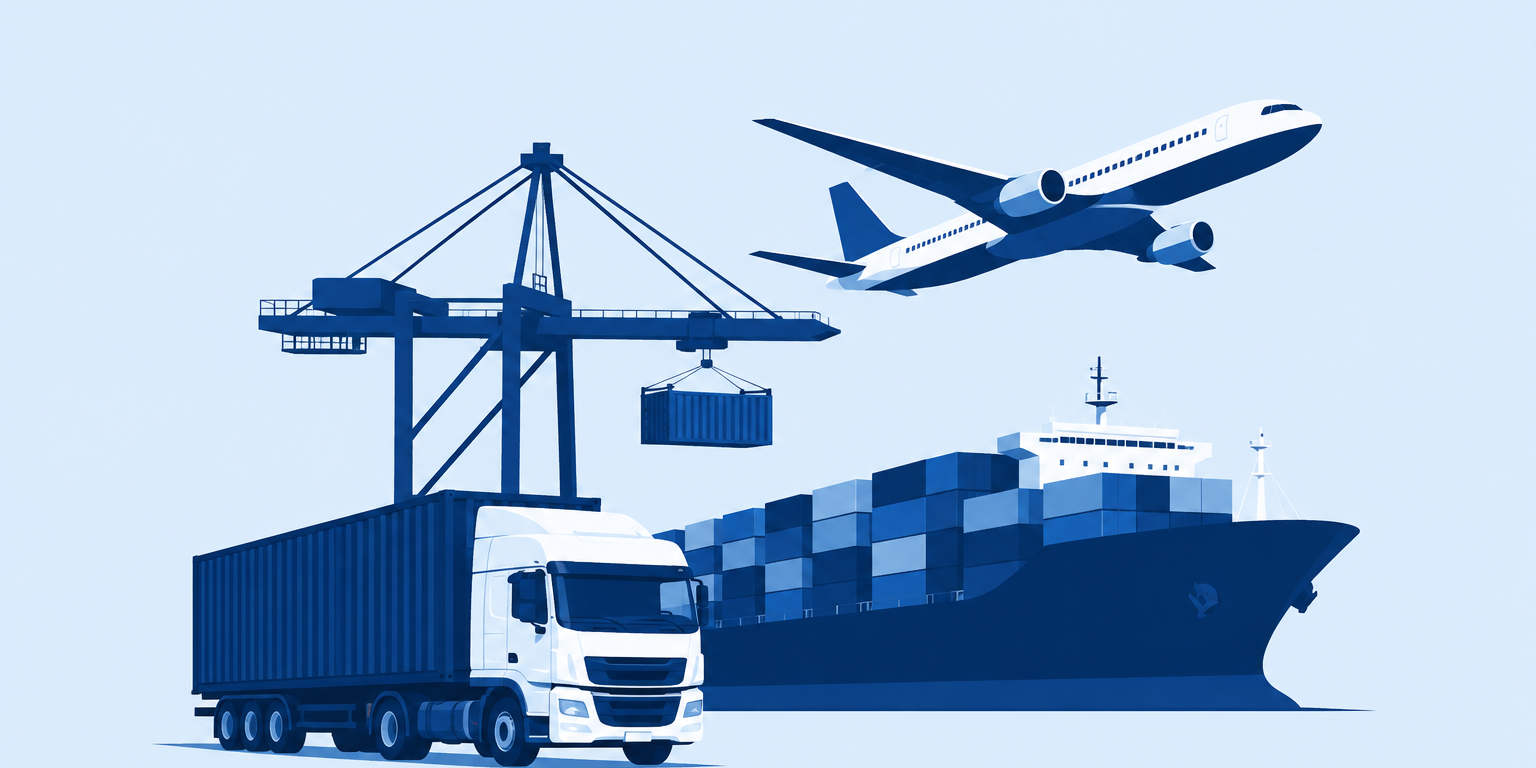
Customs transit is particularly valuable when an operation combines maritime, air, and ground transportation. For operations spanning Costa Rica, the United States, and other markets, coordination is especially critical given the diversity of operators, terminals, and local requirements.
A typical multimodal import might:
- Arrive by ship at a seaport
- Continue by truck to an inland customs facility
- Clear customs and move to a regional distribution center
A logistics partner with integrated international transport, customs brokerage, and warehouse capabilities can reduce information handoffs and enable true door-to-door management.
Best Practices for Maintaining Cargo Control in Transit
Treat Transit as Part of Supply Planning
Don’t manage transit as a last-minute scramble. Your procurement and import teams should coordinate expected arrival dates and preliminary documentation with logistics well before the shipment reaches the port or airport.
Maintain a Single Source of Operational Truth
Keep one current version of operational data. Corrections made during or after movement are slower and more expensive than pre-transit validation.
Measure and Track Performance Metrics
Record time from cargo discharge to customs authorization, actual departure, arrival at destination, and customs closure. Measuring these intervals reveals recurring delays and helps you select more reliable routes.
Establish an Incident Management Protocol
Define who must be notified if delays, damage, seal loss, or delivery failure occur. Early communication enables you to manage authorizations and arrange alternatives before the delay becomes a transit breach.
Customs Transit: Control and Continuity for Your Supply Chain
The customs transit regime functions best when documentation, transportation, and final reception are coordinated as a unified operation. By reviewing your transit process before entering each new trade corridor, you transform a regulatory requirement into a practical tool that protects timelines, preserves inventory, and ensures supply chain continuity.
At SICSA, we coordinate all the capabilities your international logistics demand—customs brokerage, multimodal transport, warehousing, and door-to-door management—from a single operational relationship. Our expertise in transit procedures, combined with our network across Costa Rica, the United States, and beyond, helps you navigate customs regulations efficiently and keep your supply chain on schedule.
Ready to optimize your transit operations? Contact SICSA today to discuss how our integrated logistics solutions can streamline your customs clearance and distribution.